
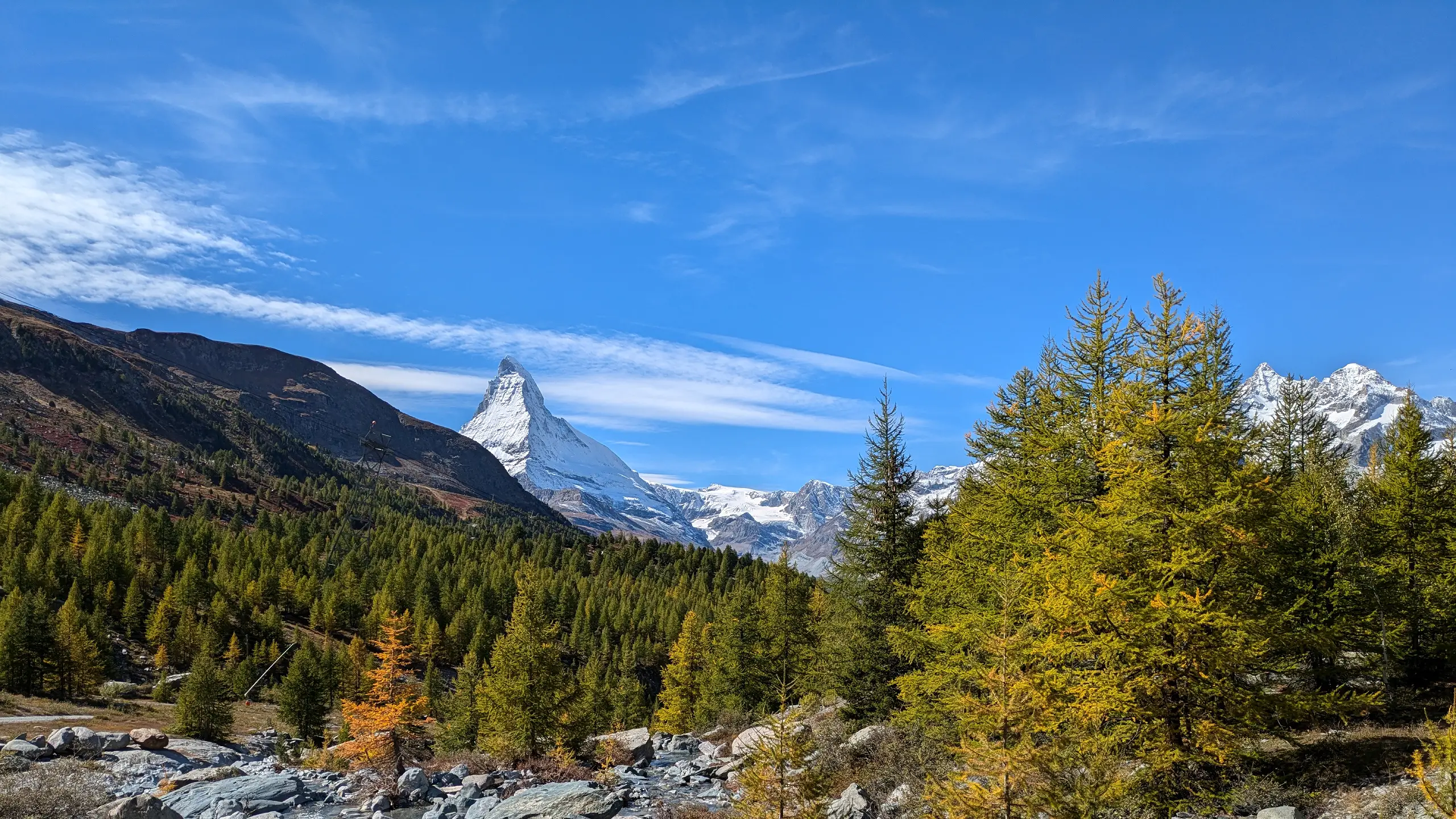
Responsible travel doesn’t come naturally. Here’s why this is and how we can improve at it.
Everyone would want to be a responsible traveler. At the same time, there are so many other things we look for when traveling. And we have the right to.
The question is: Are we willing to make significant changes for the sake of being responsible and compromise on other aspects we care about? Do we even think about our impact during the journey itself? Or do we find ourselves guilty of wanting to be responsible, but only if it’s hassle-free and doesn’t mean exiting our comfort zone?
These questions often keep my head spinning and make me question our choices as travelers. They make me want to understand people’s thoughts and wishes, as well as the aspects driving their behavior.
Below is a selection of anecdotes and experiences that might make me think twice.. They show why traveling responsibly isn’t as straightforward as it seems. Nonetheless, I suggest an easy but meaningful approach to improve at it.

The aircon dilemma
Working as a receptionist in Grindelwald (Switzerland) in 2025, I was used to people from all over the world flocking to our hotel, especially during the summer months. The guests would be surprised by the heat, which they hadn’t expected from the supposedly cool Alps. Some would ask me if the high temperatures were normal in this region. In my typical reply, I questioned whether there is still such a thing as “normal” when it comes to the weather.
Coming from regions where cooling systems are standard, the guests were worried how they would manage a night in an uncooled room. In Switzerland, however, most hotels are traditionally not equipped with air-conditioning systems.
I tried my best to explain to them that, in the past, air conditioning was not necessary in Switzerland and that building regulations are quite strict regarding the installation of such systems. At the same time, I pointed out that, in the context of climate change, increased use of air conditioning can contribute to the problem, an aspect we try to consider in our approach to hospitality. Reactions to this explanation varied, and not everyone was immediately convinced.

Meanwhile, I would think back to the moments I spent looking at avalanches coming down from the formerly “eternal” ice of the mountains. Or the moments I listened to the rumbling of the glaciers as if they were about to fall apart in front of my eyes. The familiar “before & after” images showing the glaciers’ retreat flashed through my mind.
Just in May of the same year, the small town of Blatten in the canton of Valais had been destroyed by a rockslide, caused by the melting of the glacier on a nearby peak called Bietschhorn. Climate change is visibly reshaping the Alps, and installing aircons in every hotel would certainly not help.
The aircon issue made me wonder how the changes in alpine regions are perceived and understood by visitors. In places like Jungfraujoch, for example, the image of “eternal ice” can still feel very present, whereas, through the eyes of a local, the landscape is visibly changing. Possibly, visitors would have to spend more time in the Alps to witness the changes through climate change firsthand. And maybe they’d agree to going without aircon.

Airbnb: more complicated than it seems
Cusco, the Incan empire, is an absolute gem tucked in the Peruvian Andes. It was February 2022, and here I was, starting a new life and looking for a place to live. Flat hunting is easy in Peru; once you’ve found a place you like, you’re free to move in the next day. No paperwork is needed, just a little chat and maybe a handshake.
However, it turned out that half of the flats on the market were only to be rented to short-term visitors. They are Airbnb’s. This was the first time I witnessed the rising problem linked to this platform first-hand. Nobody wanted to rent their flat to me in the long run, as earnings are way higher when working with Airbnb. (I can’t blame them, honestly.)
But there’s a catch: Although Cusco is touristically well-placed, the demand is not high enough to fill up all these Airbnbs, even in high season. Therefore, many flats stood empty, and the landlords didn’t earn a Sol (Peruvian currency), while I, along with many other candidates, struggled to find a place to live.
This situation left a lasting impact on me. I rejected Airbnb and believed I could never use it again. I was wrong. Only a few years later, I started working remotely, and guess what? I stayed in Airbnbs. Especially in Canada, a place struggling greatly with housing shortages, I felt bad for doing so. I was torn between finding a place to live and not wanting to burden the local residents. Opting for shared flats with a longer minimum stay instead of “superhosted” single-room flats seems like a good compromise to me.
Today, I believe the situation is more complicated than a simple black-and-white divide. Short-term rentals can create challenges when they reduce available housing, but they can also provide flexibility for people who need temporary accommodation, such as students or interns. The real question is not whether platforms like Airbnb are good or bad, but how they are used and regulated in different contexts.

The desire to reach higher
When I moved to Interlaken, Switzerland, in 2023, I was off to explore the Jungfrau region. That included taking the Wengernalpbahn from the towns Lauterbrunnen or Grindelwald up to Kleine Scheidegg, situated just next to the famous Eiger North Face. Having a train take you up the mountain within half an hour is a luxury many countries can only dream of. And the views are quite unbeatable, to be honest.
Building on that, the tourism industry further expanded access to the region. The Wengernalpbahn, which began operating in 1893, was complemented in 2020 by the Eiger Express. This modern gondola takes people from Grindelwald directly to the Eiger Glacier in no time. It runs every minute. The new attraction, along with the increase in accommodation options, activities, and shops, naturally led to a significant number of visitors in the small mountain village.
Today, although not officially classified as such, Grindelwald seems to face overtourism to some extent. In peak times, the streets are packed and the locals often feel the pressure of high visitor numbers. Signs have been put up, reading “Please, don’t walk on the lawn. Please, don’t leave any trash behind. Please, respect the locals and don’t enter their properties.”
This raises questions about the further development of the region’s tourism offer. The Eiger Express is a great example of this ongoing challenge: It makes the mountains more accessible and creates economic opportunities for people working in tourism. At the same time, it leaves an impact on the surrounding landscape and the local community.

When tourism reaches its limits
One of the first questions we got asked at my university in Belgium, studying tourism management, was: “Who among you has ever been to Barcelona?”. Immediately, dozens of hands shot up into the air. It seemed like 99% of the course had been to this destination. This was astonishing to me, considering the number of cities and the diversity Europe has to offer.
You might see where I’m going with this. Certain destinations have become so famous that they are now on everyone’s bucket list. Barcelona, Venice, and Amsterdam, to name a few. Some owe their fame to well-known movie scenes, such as Dubrovnik in Croatia. What’s happening here can clearly be labeled as overtourism.
Luckily, there’s an easy solution to the problem: skip these destinations and choose one of hundreds of alternatives. But people don’t seem to be interested in that. I remember complaining to a new friend of mine about cruise ships invading Venice and how people visit it for just two days without considering their impact and the responsibility they have as tourists. Funnily, he smirked at me and said: “Well, I actually did that… Last month.”
In that moment, I realized: people don’t really know about these issues. If they are, unlike me, not bombarded by news from the travel industry every day, they haven’t seen a hundred pictures of cruise ships on the shores of Venice and Dubrovnik. They haven’t seen interviews with local inhabitants talking about the lack of privacy in their front yards. And they most probably haven’t discussed it with them.
I concluded that nobody is ever traveling with bad intentions. Yet, the problem is out there, it is real, and we need to talk about it.

How can we adapt?
I believe that most people want to be responsible travelers. It’s just not something that comes naturally, especially when we are exploring a new destination and simply want to enjoy the experience.
Awareness is the first step towards change. Travelers should take the time to understand the places they visit: What challenges are destinations facing? How do our choices affect these places? At the same time, discovering a new place also means embracing curiosity and the unknown. Few people want to plan every detail of their journey based on a list of problems and restrictions.
This is where the tourism industry has an important role to play. Destinations, tour operators, and other tourism professionals can help shape behavior by integrating education along the journey. This creates awareness and, most of the time, goes hand in hand with an enhanced visitor experience.
Our responsibility as providers
For travelers to be able to take informed decisions, it’s also the provider’s responsibility to communicate opportunities and challenges in tourism openly. I support you in creating transparent yet inspiring content strategies.