
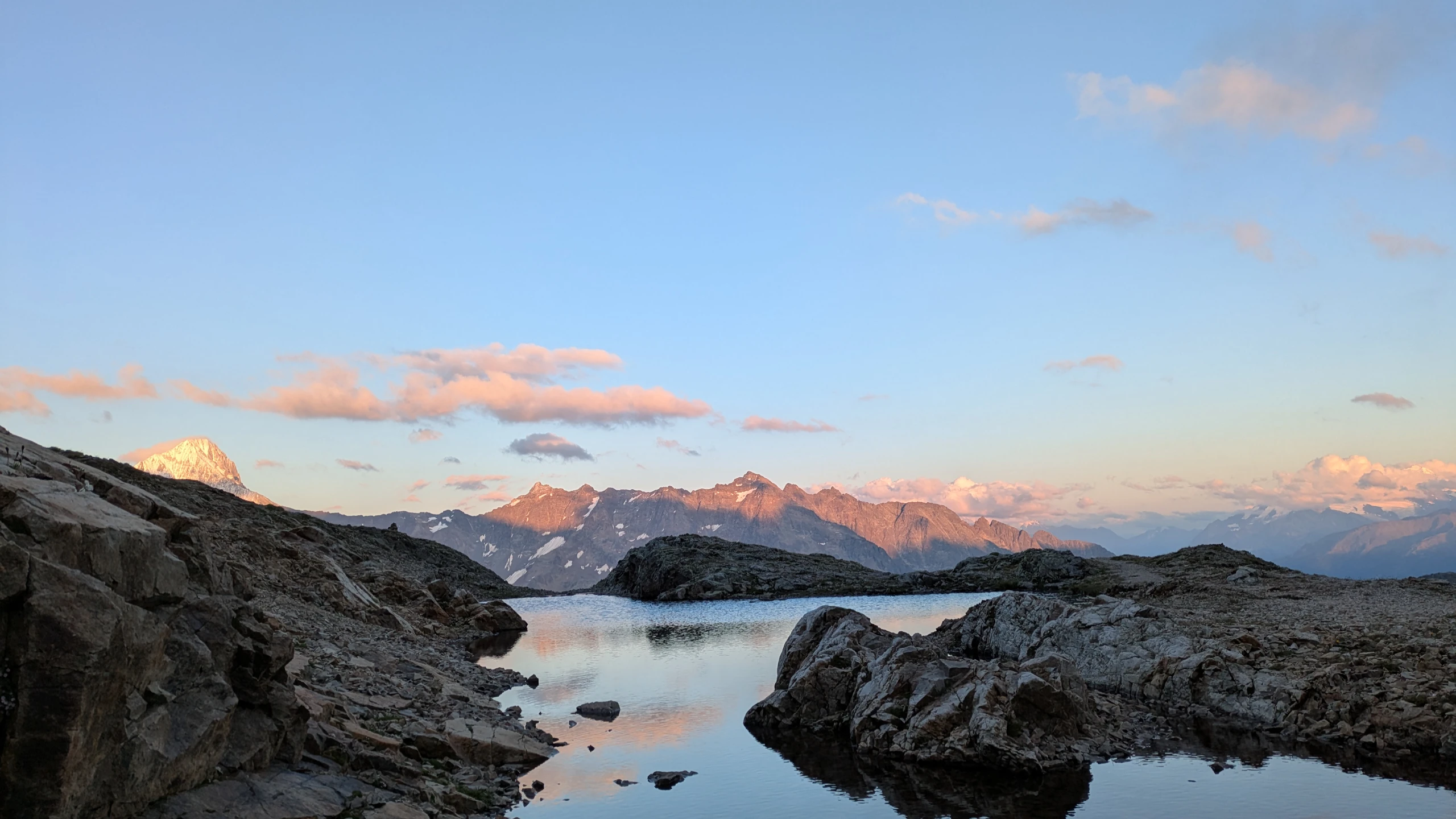
Is Switzerland really the most beautiful place in the world? Discover how the Swiss are playing a balancing act between conquering the mighty mountains and preserving their natural landscapes.
Switzerland is easily one of the best places to experience nature in all its beauty. I have lived in this country for two and a half years, during which I explored endless mountain chains, forests, valleys, rivers, gorges, and peaks. The memories of these moments will always hold a special place in my heart.
It’s no surprise that many people consider Switzerland the most beautiful place in the world. Still, I questioned this statement when I first came here.
Read on to get my unfiltered view of Switzerland, discover the good and the bad, and understand why finding the right balance is key.

Coming to Switzerland from a different world
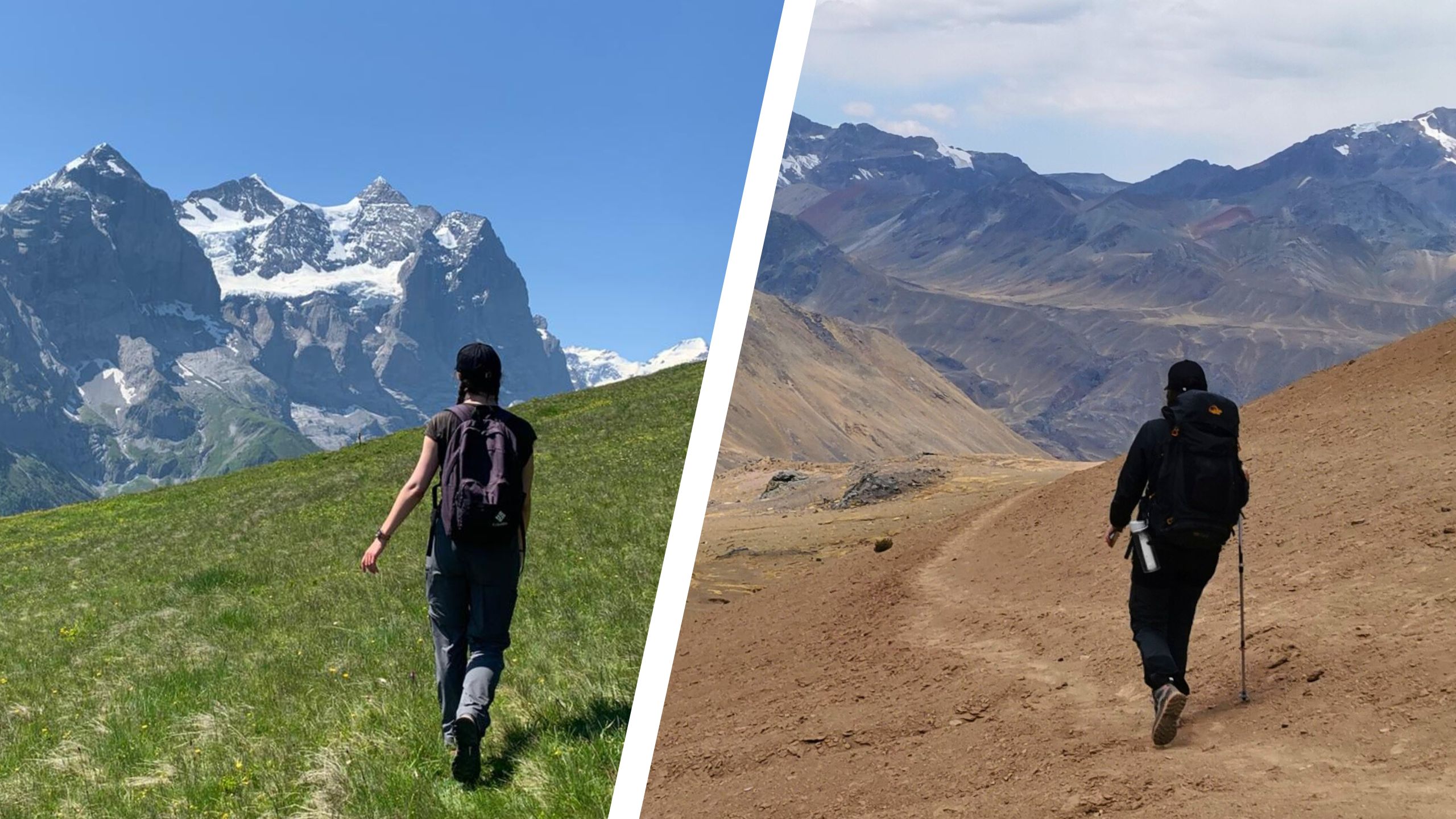
When I moved to Switzerland, I had come straight from Peru, where I had spent the previous 15 months. Both countries are home to incredible mountain chains, which is what brought me there. Still, they couldn’t be more different from each other.
One of the main reasons I stayed in Peru was to experience the absolute silence of the mighty Andes. And I did that! When hiking these mountains, I might have met a lama shepherd and his herd every now and then. Apart from that, there was nothing but grasslands and ancient Inca ruins.
To the locals, the mountains are part of the Pachamama (Mother Earth), and therefore holy. The highest peaks of the Andes are called “Apus” by the Andean people; mountain gods protecting us.
The (Swiss) Alps, for their part, have a very different historical past, reflected in the landscape, culture, and way of life in the mountains.
Stunning nature paradise or Disneyland?
After experiencing the spiritual connection Peruvians have with the Andes, the Swiss Alps first seemed like a mountain-themed Disneyland to me. One of the first hikes I did was the Eiger Trail, which passes by the famous Eiger North Face in the Jungfrau region. I will never forget the culture shock I experienced.
Just next to the trail, a train ran up to the mountains every half hour. Above me, I heard the sound of a gondola (the Eiger Express) continuously taking people up to the Eiger Glacier station. Even higher up, a helicopter repeatedly approached the Eiger North face, seemingly to rescue people in distress. And last but not least, a sightseeing plane kept flying back and forth along the peaks.
I must admit that I walked this trail in the absolute high season for tourism and assumed that quieter times might come. But at that moment, all I knew was that I wanted to escape this stressful trail. And I was convinced that Switzerland was definitely not the most beautiful place in the world.
As I continued exploring the country, I came across more and more activities and constructions in the mountains that left me startled: mountain runs, music festivals, slope-style contests – you name it. Ski tourism has also grown to an enormous scale, and the endless ski lift constructions were a thorn in my side. I began to wonder whether I had made a huge mistake moving to this country, world-famous for its incomparable beauty.

How did Switzerland get there?
Let’s take a step back and look at how Switzerland got where it is today. The development of tourism in the Swiss Alps was far from arbitrary, and the reputation and systematic opening of the mountains set Switzerland apart from other Alpine countries.
Before the mountains became places of leisure, people had deep respect – even fear – for them, as they were unknown and unpredictable terrain. That respect soon turned into fascination, along with a strong will to gain control over natural forces. This was when the pioneers of alpinism began conquering the Alps in the 18th century.
At first, alpine practices were reserved for the wealthy, mainly people from Great Britain, guided by Swiss or French farmers who knew the terrain. Special attention was given to Mont Blanc, bearing the title of the highest peak in Europe. The first adventurers to reach its summit were Jacques Balmat and Michel Paccard (both French) in 1786. In the 19th century, alpinism became more accessible, and the movement grew.
Switzerland, in particular, played a special role in the development of tourism. Thanks to the expansion of the railway network, it became more accessible to international tourists around 1850 and turned into one of the first mountain destinations worldwide. Its political stability and the variety of different landscapes – from palm trees to icy peaks – created perfect conditions for tourism. Academic visitors such as Jean-Jacques Rousseau and Johann Wolfgang von Goethe also played a vital role in romanticizing the once-feared mountain chains.

It didn’t take long before Switzerland extended its railway network to reach not only villages, but also high peaks. Europe’s first cog railway, running from Vitznau all the way to the Rigi Mountain (in the canton of Lucerne), opened in 1871. By the second half of the 19th century, Switzerland had become a major tourist destination.
And it didn’t stop there. The Swiss continued building connections to major peaks and glaciers, such as the Gornergrat Railway (opened in 1898) and the Jungfrau Railway (opened in 1912). The country became a world leader in mountain transport engineering. These constructions were a strong statement for mastery over nature: Even the highest mountains can be conquered by Swiss ingenuity.
To this day, Switzerland is still performing a balancing act between the admiration of pristine nature and the will to conquer it and make it accessible.


The natural beauty of the Swiss Alps is easy to reach
With time, the mighty constructions in the mountains became more (though not entirely) normal to me. I managed to loosen my tunnel vision and began seeing the positive sides of it. Escaping everyday life into immense natural beauty is certainly possible, and even made easy, in Switzerland.
Thanks to the excellent and very reliable public transport system, including the gondolas and rack railways I was so shocked about at first, a significant number of trails are easily accessible. Hiking options in Switzerland are almost endless. At the same time, emissions can be significantly reduced, as car journeys aren’t necessary in many places.
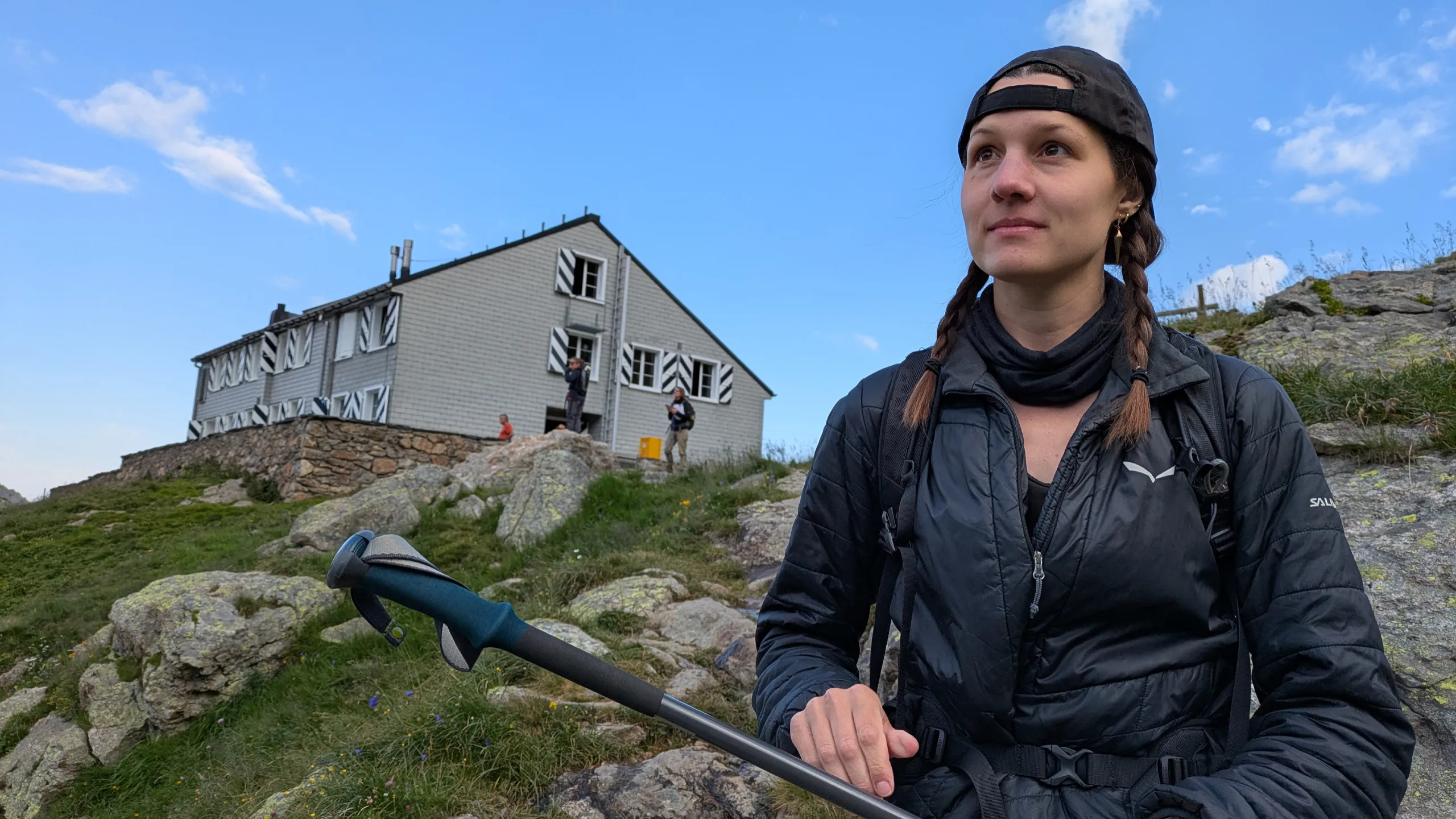
Once up in the mountains, visitors can choose to stay the night by opting for one of the many mountain huts. They enable us to reconnect with nature and enjoy the silence without compromising on a delicious three-course dinner at night. I greatly appreciate having this possibility.
For the sake of fairness, I also have to say that noise and busyness aren’t the norm throughout the Swiss Alps. That first impression I had was soon replaced by moments of pure joy in the middle of nature. And I slowly changed my mind: Switzerland is, without any doubt, one of the most beautiful countries in the world.
Finding the balance between development and nature preservation
Clearly, things are not black and white when it comes to constructions in nature. The limit of when it is “too much” cannot be objectively defined.
If you talk to the locals, it’s not about right or wrong, but about finding a balance between nature and economics. After all, that’s what Switzerland really stands for: neutrality! And carefully weighing out the pros and cons. Tourism, trains, and hydraulic plants in the mountains are all undeniably damaging to nature. But Switzerland has little space. So it’s a balancing act between using the surface as efficiently as possible, ensuring economic growth, and preserving nature.
Seen from this perspective, places with high levels of construction cannot simply be stamped as “destroyed” landscapes. Instead, they are witnesses of the past, of economic opportunities and human ingenuity. And Switzerland knows how to present them as such to make them interesting, rather than something to overlook.
Here are some examples where technical achievements meet formerly untouched nature:
Rhaetian Railway – an impressive landscape marked by a famous red train
Train connections and the development of hydroelectric power plants often go hand in hand. In the canton of Graubünden, for example, the construction of the Albula line (see below) enabled the transport of the resources needed to build major hydroelectric power plants in the region.
The Bernina line, for its part, was a project directly linked to the construction of a hydroelectric power plant. The train connection and the plant at the Lago Bianco were planned and created together. Thus, the Bernina line was powered by hydroelectric energy from its first day of operation.
The constructions around Lago Bianco heavily alter the landscapes. Nonetheless, the entire Rhaetian Railway network – including the Albula line, Bernina line, and Lago Bianco – is a tourist sensation offering breathtaking scenery. In fact, its history, featuring the construction of endless tunnels and bridges, along with the previously mentioned hydroelectric power plants, only adds to the place’s greatness. No wonder it is now a UNESCO World Heritage Site.
I highly recommend visiting the canton of Graubünden and taking a train ride on the Rhaetian Railway. Personally, it is one of my favorite places in Switzerland, and there are abundant activity options.
Some highlights linked to the Rhaetian Railway are:
- The Railway Adventure Trail Albula (running next to the Albula line with spectacular views over the stone bridges and red trains passing by)
- The Albula Railway Museum in Bergün
- The Landwasser Viaduct in Filisur (the panoramic trains, Glacier Express and Bernina Express, pass over this bridge, although taking any other train on the same route offers a similar experience)
- The Bernina Express (taking you from the Swiss glaciers directly to the palms of Tirano, reaching an altitude of 2.253 meters / 7.392 feet on its way)
- Endless hiking options in the area, always accompanied by views of the red trains of the Rhaetian Railway passing by


Jungfraujoch – conquering the eternal ice
In contrast to the “get-together” places for the Swiss community, spots like this seem almost reserved for international tourists seeking “wow” moments. The Jungfraujoch in the canton of Bern ticks several boxes at once: it is the highest train station in Europe and offers views of the largest glacier in the Alps (the Aletsch glacier). Visitors come to this place in hordes to soak in the view and take their once-in-a-lifetime picture.
Initially, I was sceptical about concentrating too many visitors in one place. However, Jungfraujoch proved me wrong. It allows tourists to see a highlight, while other areas are spared from excessive tourism. Here, nature can thrive, and explorers can have true adventures.
For those interested in trains, Jungfraujoch is also worth a visit. The connection to the top station leads through a tunnel, blasted through the rocks of the Eiger between 1898 and 1912. At the time, this was proof of a significant technical achievement.
Despite all this, Jungfraujoch is partly responsible for overtourism in Grindelwald and Lauterbrunnen. The small mountain villages connecting to the Top of Europe are overcrowded in peak season, with no relief in sight. It is therefore highly recommended to visit during the shoulder season and to opt for extended stays to reduce transit.
Read more about responsible travel practices in my article How to travel with peace of mind.

Grimselwelt – when hydropower shapes an entire landscape
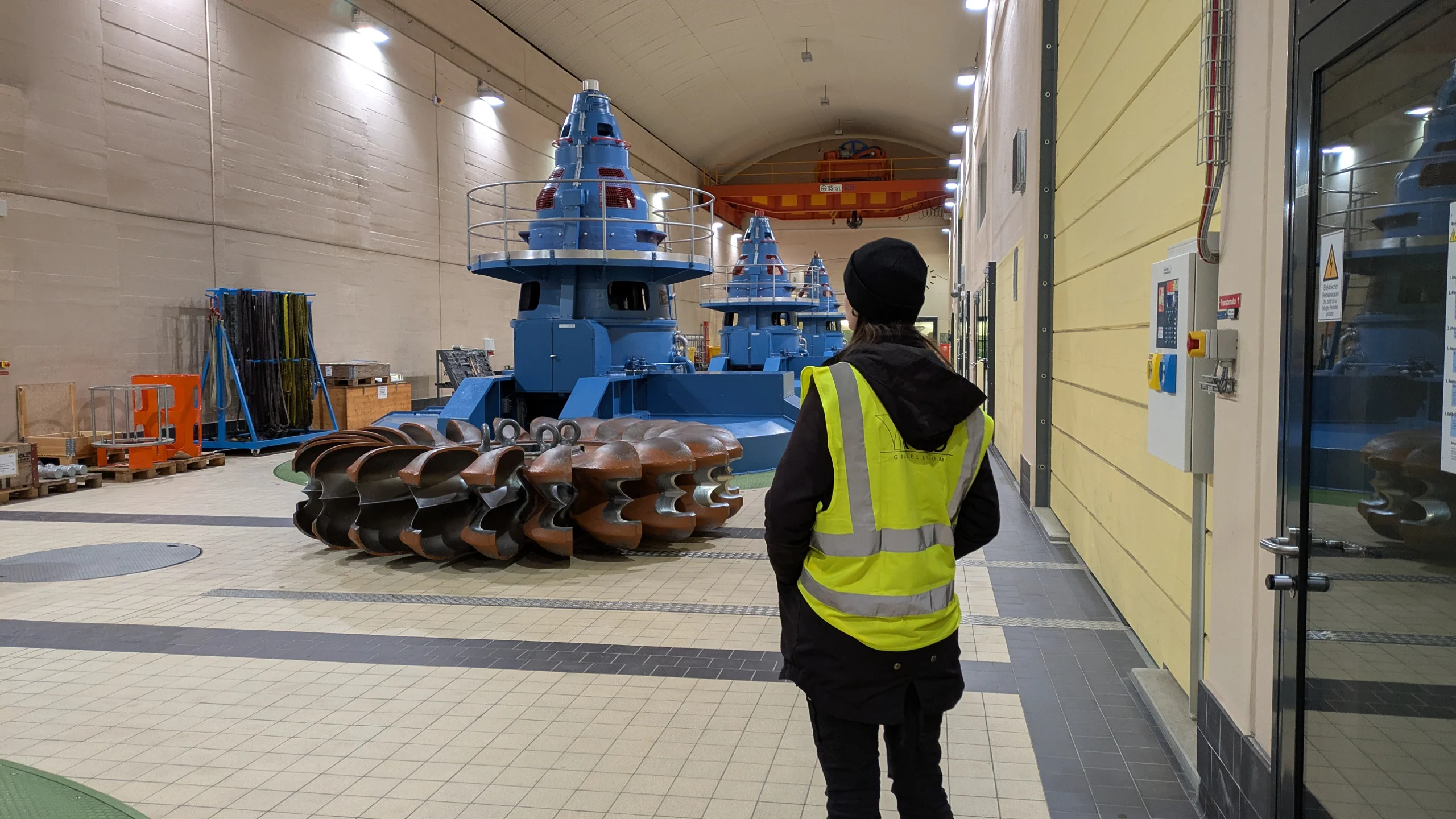
The Grimsel region in the canton of Bern is one of the most striking examples of how technical infrastructure can transform a high-alpine landscape. At its heart lies Grimsel Lake, an entirely artificial lake held back by a massive dam.
The Kraftwerke Oberhasli AG operates thirteen hydropower plants in the area, using the force of water to generate renewable electricity for one million people. The zone has also become a destination where visitors can explore the world beneath the mountains. A range of guided tours leads deep into the hydropower facilities and into the nearby Kristallkluft, a cavern filled with impressive natural crystals discovered during tunnel excavations.
The transportation infrastructure in Grimselwelt, initially built for construction and maintenance, is open to visitors today and has become an attraction in its own right. A famous example is the Gelmerbahn, once a simple transport line for workers and materials, now known as one of the steepest open-air funiculars in Europe, pulling visitors up towards the Gelmer Lake.
The region is an impressive showcase of engineering—but it also highlights the heavy interventions in nature that made all this possible: entire valleys flooded, mountain walls drilled through, ecosystems altered. And yet, Grimselwelt stands for something increasingly relevant today: green electricity.
With autumn comes total silence
As summer ends in the Swiss Alps, the landscapes and atmosphere change abruptly. Cows are brought down from the mountain pastures into the valley, some train and gondola connections pause for maintenance, and fog settles over the villages. Life turns quiet, and the most beautiful season to visit Switzerland begins: autumn.
Autumn is short in the mountains, as you never know when the first snow might fall and force path closures. But the few days of stunning beauty brought by autumn’s colors are precious and won’t be forgotten quickly.
In Zermatt and Graubünden, the larch trees slowly turn yellow around the end of September and usually reach their peak in October. I have witnessed incredible colors even at the beginning of November, when no snow had yet fallen. A special place to witness larch trees in all their splendor is the so-called Lötschental (especially the hiking trail: “Lötschentaler Höhenweg”).
Those wanting to witness deciduous forests in Ticino need a bit more patience, as the leaves start changing color around mid-October. The climate here in Southern Switzerland is milder than in Zermatt and Graubünden, and you have access to Lake Maggiore and Lake Lugano, which creates a totally different atmosphere.
In any case, it is the season for you if you want to avoid the hustling and bustling of the summer or winter months and don’t mind that some of the major gondola connections might be closed. Autumn, for once, is not about winning over nature, but about taking a deep breath and finding peace.


Switzerland: one of the most beautiful countries in the world
Switzerland: one of the most beautiful countries in the world
After exploring Switzerland, from silent forests to the bustling Jungfraujoch, I learned that it isn’t as peaceful as depicted on Instagram – at least not everywhere. I went from shock moments – wondering why no one else seemed to care – to appreciating the easy accessibility of my mountain adventures. I’ve questioned major constructions where they seemed out of place, yet have been left in awe and full of curiosity by what humankind can achieve.
Although the vastness of the Andes, to return to my earlier comparison, is missing in Switzerland, it is undoubtedly one of the most beautiful countries I know. Not for nothing have I lived here for over two years, which is the longest I have ever stayed in the same place. Whether or not it is my number one, I cannot say. And I don’t want to. For there are too many fascinating destinations out there waiting to be discovered, each shining in its own splendor.
(Note: I’m not affiliated with any of the activities mentioned – this mention is entirely unpaid and independent.)